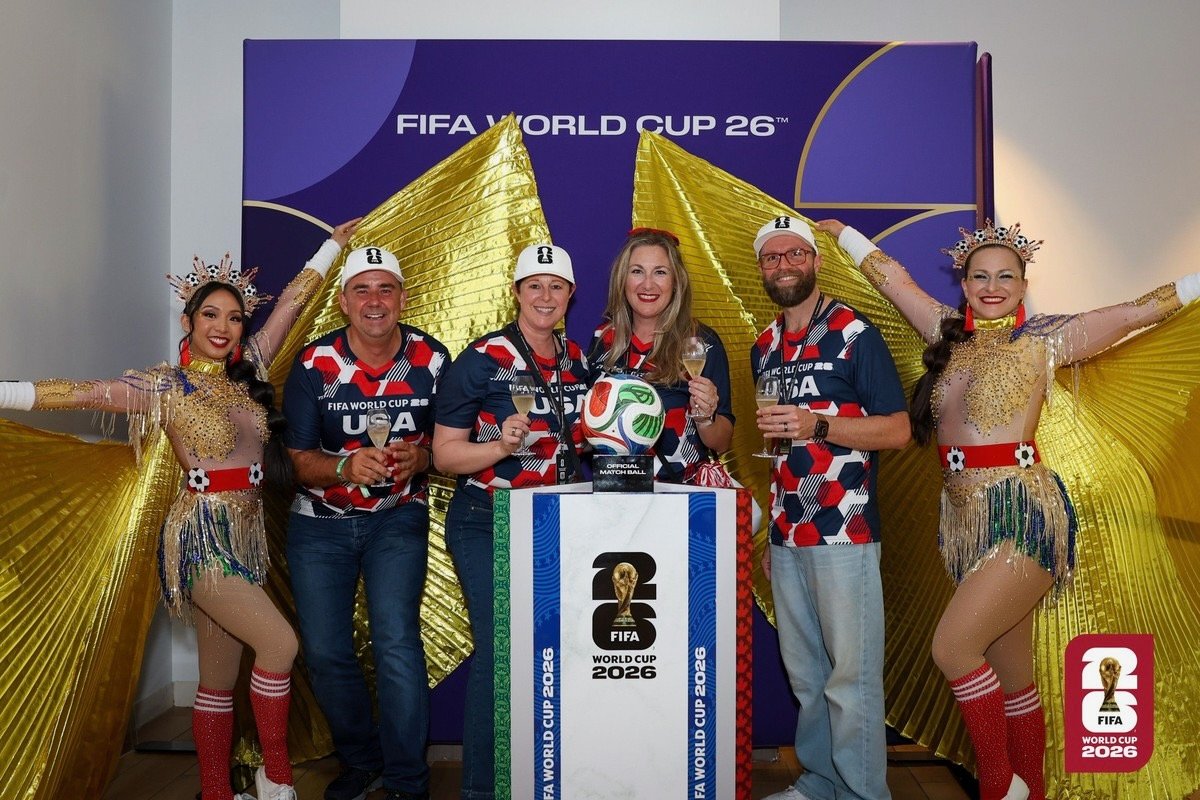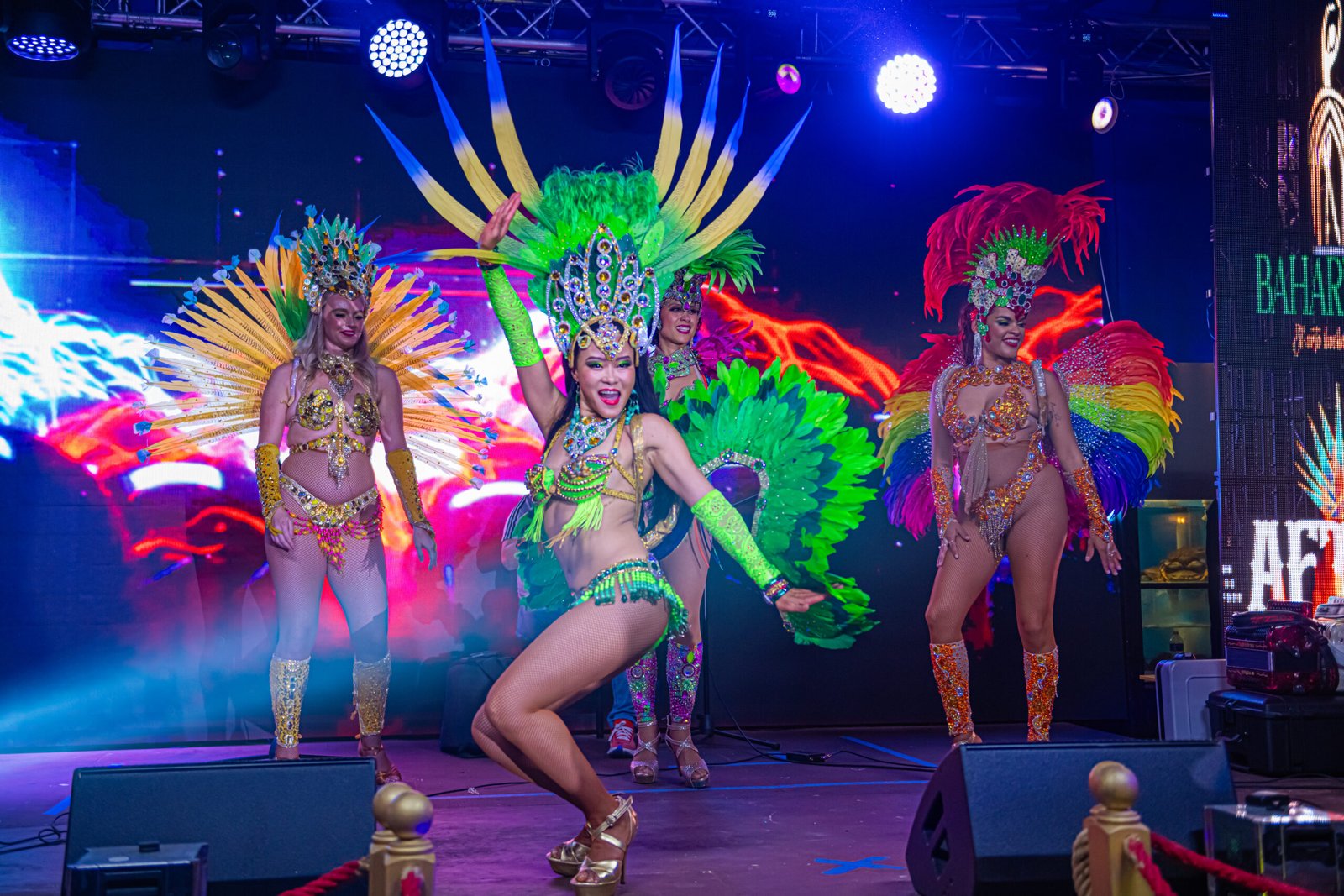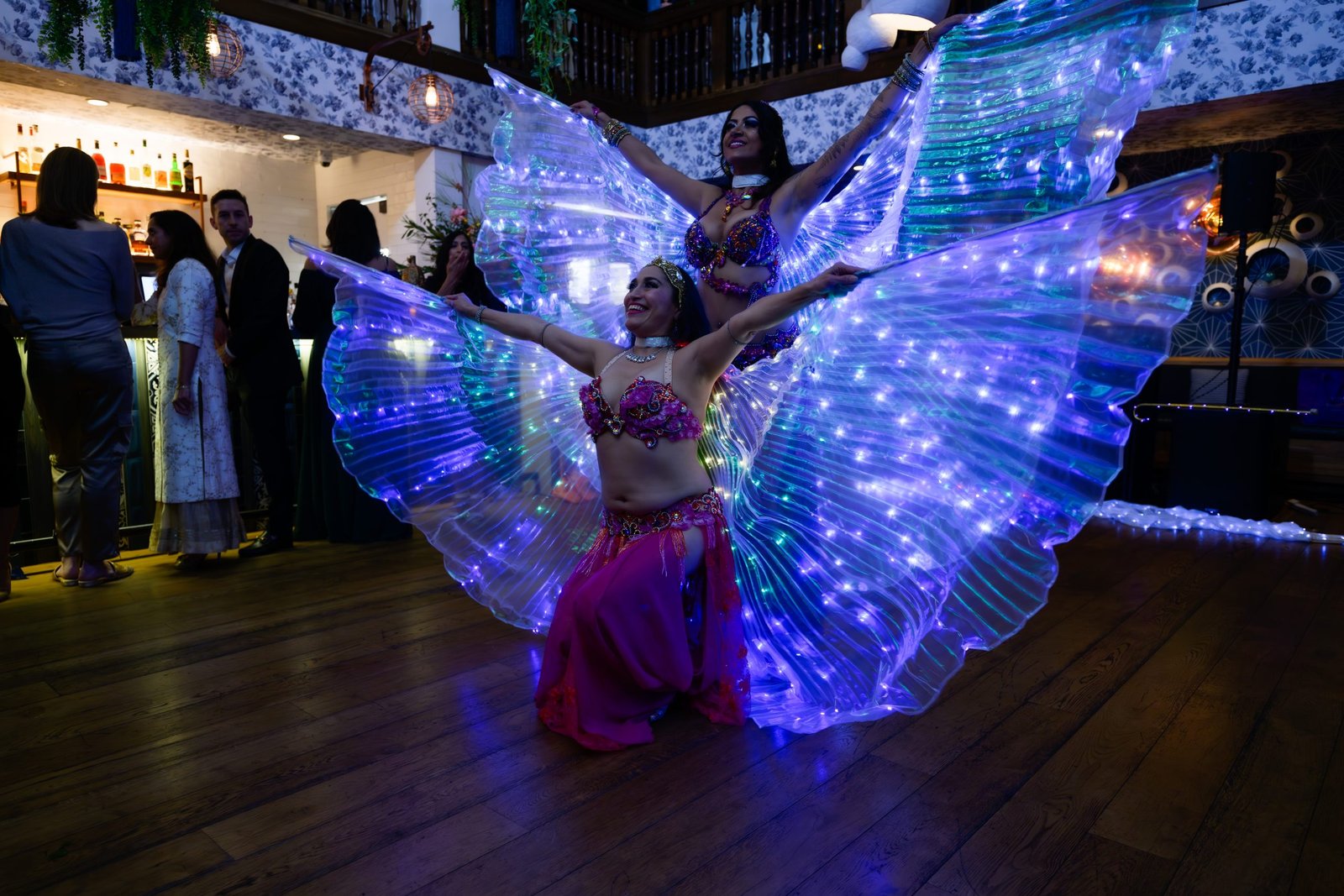
 Modern events are becoming far more experience-driven than they were even a few years ago. Guests now expect more than a playlist, a bar, and a decorated venue. Whether it’s a corporate product launch in San Francisco, a luxury wedding in Napa, or a hybrid indoor-outdoor festival in San Jose, event organizers are increasingly looking for entertainment that creates memorable moments and keeps people engaged throughout the experience.
One of the biggest challenges event planners face is maintaining energy between formalities. Cocktail hours, networking breaks, venue transitions, and waiting periods can quickly create awkward gaps if there is nothing actively shaping the atmosphere. That is why many Bay Area events are moving toward immersive entertainment experiences that help guests interact naturally instead of simply observing from the sidelines.
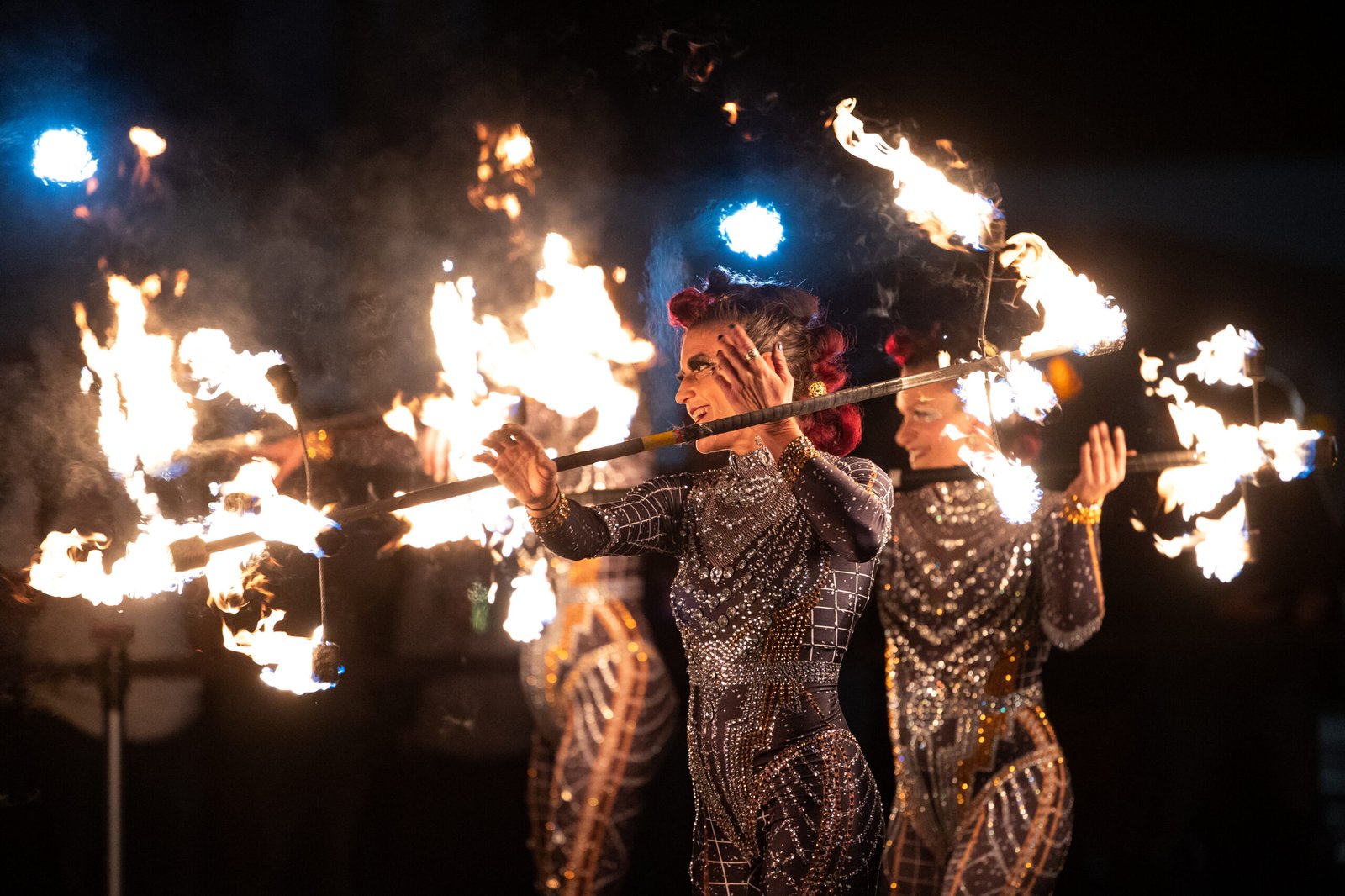
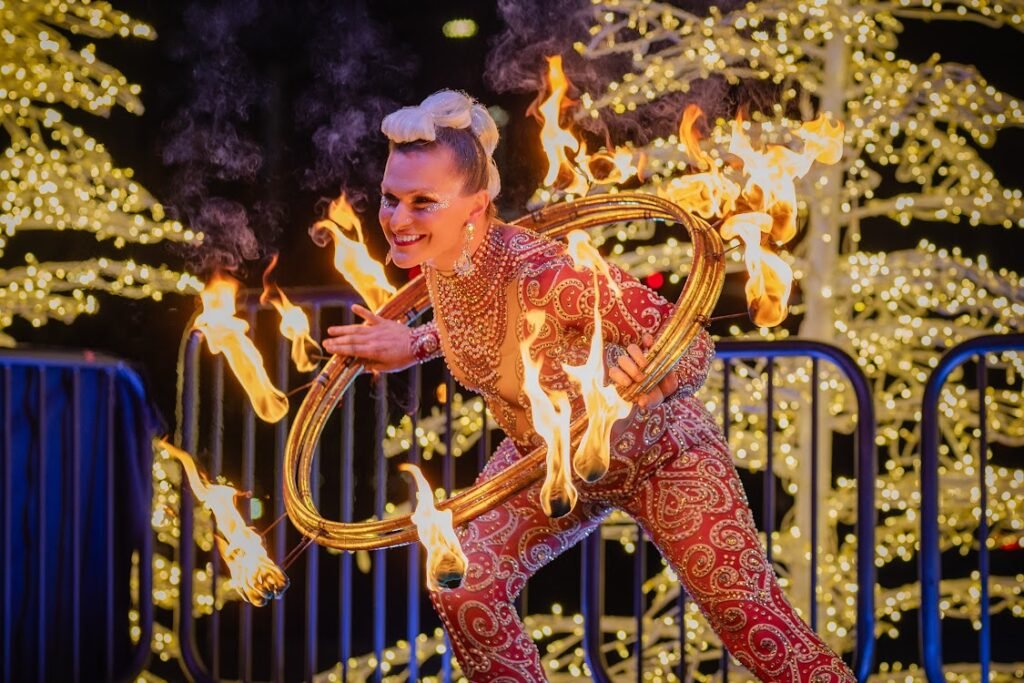
Companies like Elevate Fire Entertainment now approach entertainment as part of the overall event flow rather than isolated performances placed randomly throughout the night. From surprise fire finales to roaming performers that encourage guest interaction, modern entertainment planning is increasingly focused on helping events feel intentional, immersive, and memorable.
The Most Memorable Events Usually Create Interactive Guest Experiences
Guests tend to remember events that make them feel involved rather than simply entertained from a distance. Interactive entertainment helps create energy throughout a venue while encouraging guests to engage with each other naturally.
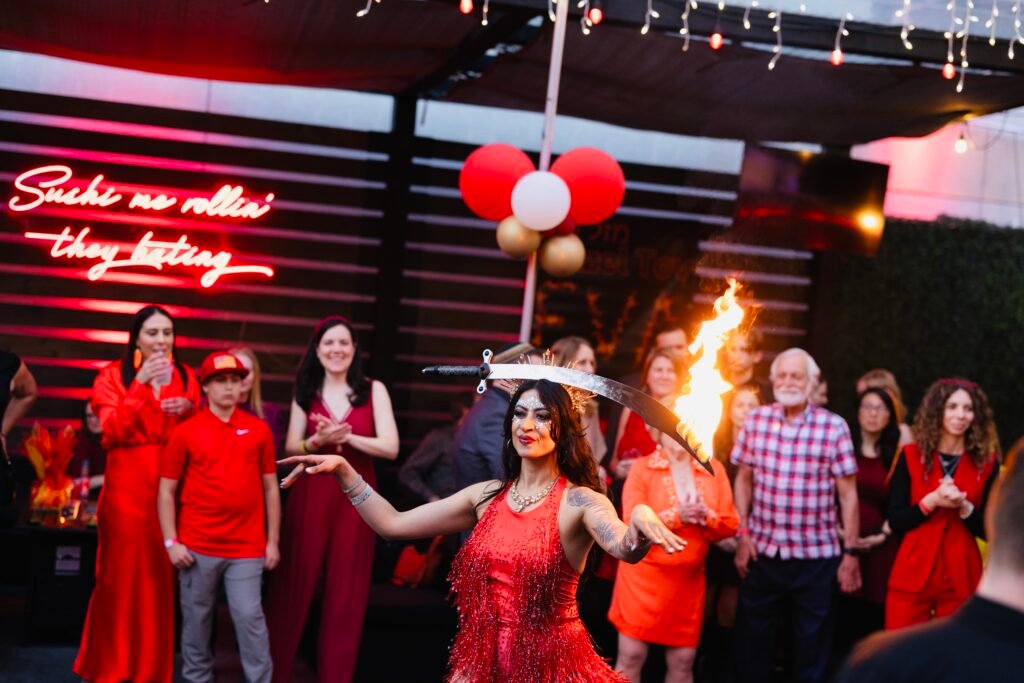
This has become especially important at large corporate events, luxury weddings, and networking-heavy product launches where organizers want guests to remain socially active throughout the evening. Roaming performers, interactive entertainers, and immersive visual experiences often help reduce awkward downtime while giving attendees something to talk about and share online.
Many Bay Area planners are also prioritizing entertainment that feels integrated into the environment itself. Instead of scheduling one large performance at a single point during the night, entertainment is increasingly being woven into cocktail hours, guest arrivals, transitions between spaces, and post-dinner experiences.
Interactive acts like Roving Entertainment are often used to maintain atmosphere across larger venues because they allow performers to move naturally through the crowd and adapt to the pace of the event in real time.
Corporate Events Often Lose Energy Between Key Moments
One of the biggest issues at corporate events is maintaining engagement during transitions. Even well-planned events can lose momentum during networking periods, speaker changes, dinner service, or product demonstrations if there is no entertainment helping shape the atmosphere.
This is especially common at:
- corporate galas
- networking mixers
- tech conferences
- product launches
- company holiday parties
- private executive events
Many modern companies now view entertainment as part of the guest experience strategy rather than simply background activity. Live performers can help maintain energy levels while creating conversation starters that encourage guests to interact more naturally.
At product launches and branded experiences, immersive entertainment is often used to reinforce the identity of the event itself. LED performers, visual acts, and customized entertainment moments can help create a more memorable presentation while encouraging guests to stay engaged throughout the evening.
The Bay Area’s event industry has also shifted toward experiences that feel more curated and visually dynamic, especially in industries like technology, hospitality, luxury branding, and nightlife. Many planners now prioritize atmosphere-building entertainment that complements the event design instead of competing with it.
Corporate Events & Private Parties Bay Area increasingly reflects this trend by focusing on entertainment experiences that support networking, pacing, guest interaction, and event flow rather than simply scheduling isolated performances.
Luxury Weddings Are Becoming More Experience-Driven
Wedding entertainment has evolved far beyond traditional DJs and dance floors. Many couples now want entertainment that creates emotional moments throughout the entire event instead of concentrating all the energy at the reception alone.
Live entertainment is increasingly being used during:
- guest arrivals
- cocktail hour
- ceremony transitions
- dinner service
- reception reveals
- grand finales
One reason for this shift is that modern weddings are becoming more personalized and visually immersive. Couples want guests to feel like they are part of an experience rather than simply attending a scheduled event.
Entertainment can also help solve common wedding-flow issues. Cocktail hours often lose energy when guests are waiting for introductions or reception transitions. Interactive performers, roaming acts, and visual entertainment can help maintain excitement during these quieter periods while keeping guests socially engaged.
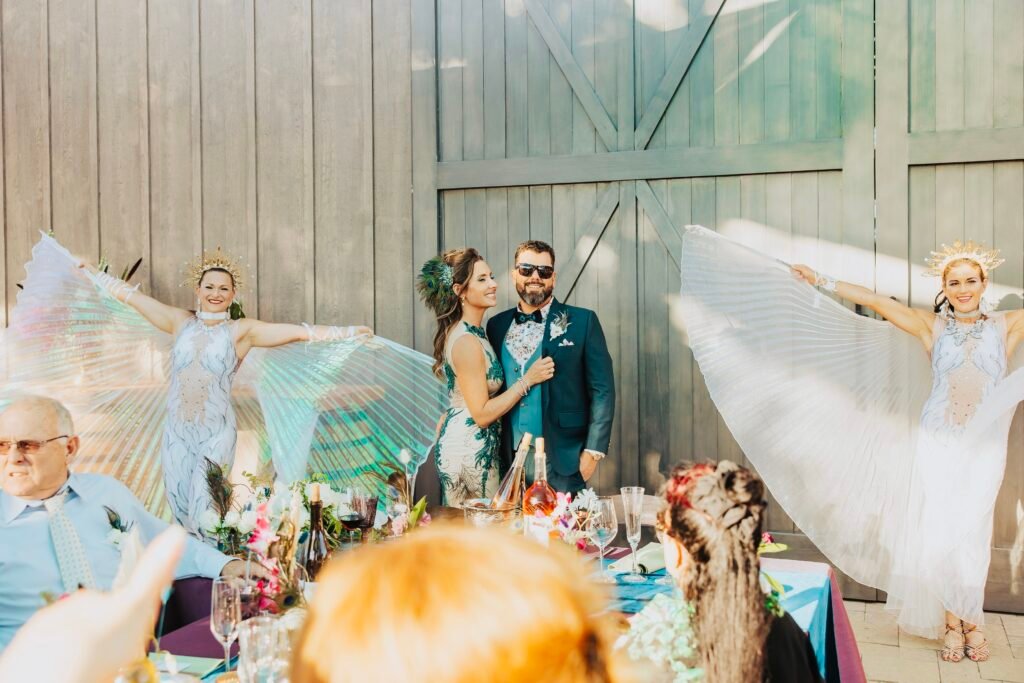
Surprise entertainment moments are becoming especially popular at upscale weddings across the Bay Area. Fire finales, aerial performances, and unexpected immersive acts often become the moments guests remember most afterward because they create emotional peaks during the event timeline.
Weddings, Galas & Luxury Celebrations Bay Area highlights how many modern luxury events now integrate entertainment into the atmosphere of the evening itself instead of treating performances as standalone attractions.
Hybrid Indoor and Outdoor Venues Require Flexible Entertainment Planning
Entertainment planning becomes significantly more complex when events move between indoor and outdoor spaces. Hybrid venue layouts are increasingly common throughout the Bay Area, especially at wineries, resorts, rooftop venues, waterfront properties, and large private estates.
These environments often require more strategic coordination because entertainment needs to adapt to:
- guest movement
- visibility across larger spaces
- weather flexibility
- safety requirements
- venue sound limitations
- audience flow between areas
Outdoor entertainment also tends to work best when performances are timed carefully around major event transitions. A fire performance or visual finale can create a powerful focal point at the end of an evening, while roaming entertainment may work better during cocktail hour or guest arrivals when people are spread throughout the venue.
Experienced event planners often focus heavily on pacing because poorly timed entertainment can interrupt the natural rhythm of an event instead of enhancing it. This is one reason many high-end events now coordinate entertainment alongside venue flow, catering schedules, production timing, and guest movement.
The most successful immersive events typically feel seamless to guests even though there is often extensive behind-the-scenes coordination happening throughout the evening.
Surprise Entertainment Moments Usually Create The Strongest Reactions
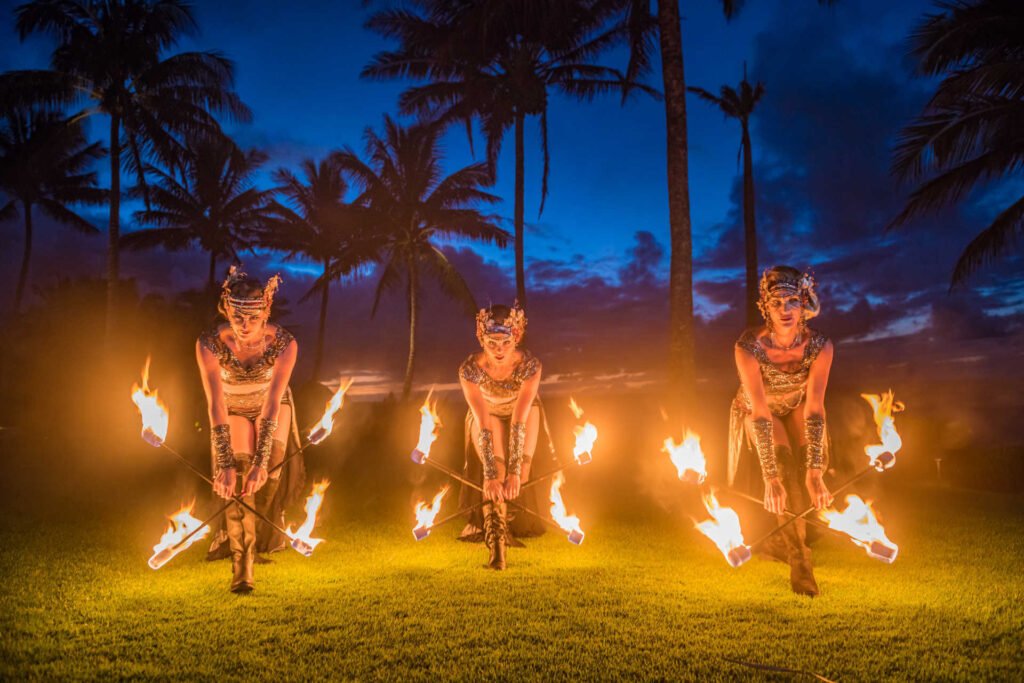
Unexpected entertainment moments often become the most talked-about parts of an event because they create emotional shifts that guests are not anticipating.
This could include:
- a surprise fire finale
- performers appearing unexpectedly during cocktail hour
- immersive roaming acts interacting with guests
- aerial performers during major transitions
- coordinated visual reveals tied to music or lighting
These moments are especially effective because they break up predictable event pacing. Guests naturally become more engaged when something unexpected changes the atmosphere of the room.
This has become increasingly important in an era where social sharing plays a major role in how people experience events. Entertainment that creates visually memorable moments often encourages guests to film, photograph, and share the experience organically.
In many cases, these moments are not necessarily the largest performances of the night. Smaller immersive interactions can sometimes leave a stronger impression because they feel more personal and spontaneous.
This is one reason many event planners are moving away from rigid entertainment schedules and toward more flexible experiences that evolve naturally throughout the event itself.
Entertainment Planning Works Best When It Supports the Overall Event Experience
The strongest event entertainment usually feels connected to the overall atmosphere of the event rather than operating independently from it. Successful entertainment planning often involves understanding:
- the audience
- the venue layout
- the event goals
- guest energy levels
- timing transitions
- production coordination
Corporate product launches may require entertainment that supports branding and networking. Luxury weddings may prioritize emotional moments and visual atmosphere. Festivals often need entertainment that maintains energy across larger crowds and longer timelines.
Because of this, many organizers now prefer working with companies that can coordinate multiple aspects of the entertainment experience instead of booking unrelated acts individually.
Event Planning Services are increasingly becoming part of entertainment coordination itself, especially for larger events where pacing, transitions, and immersive atmosphere all need to work together cohesively.
The entertainment industry is also shifting toward more collaborative planning between:
- event coordinators
- venues
- production teams
- lighting designers
- DJs
- live performers
When these elements are coordinated properly, the entertainment feels naturally integrated into the event instead of layered on top of it.
Modern Bay Area Events Are Becoming More Immersive
Across the Bay Area, there is growing demand for event experiences that feel interactive, visually dynamic, and emotionally memorable. Corporate events, luxury weddings, product launches, and festivals are increasingly designed around atmosphere and guest participation rather than passive observation alone.
Entertainment now plays a larger role in shaping how guests experience:
- networking
- transitions
- social interaction
- venue atmosphere
- emotional pacing throughout the night
As event expectations continue evolving, organizers are placing more value on immersive entertainment experiences that help events feel intentional, engaging, and memorable from beginning to end.